The music
How a roda de samba works
What a roda de samba is, which instruments you may hear, how partido-alto verses and the sung refrain work, and how a circle differs from a show.
Book the Pedra do Sal evening ↗Quick answer
A roda de samba is a circle of musicians who play and sing together while people around them sing along. Samba's traditional instruments include the pandeiro, tamborim, surdo and cavaquinho, and in the partido-alto style soloists improvise verses while everyone sings the refrain. Which instruments sit at a given roda is up to the musicians.
A circle, not a stage
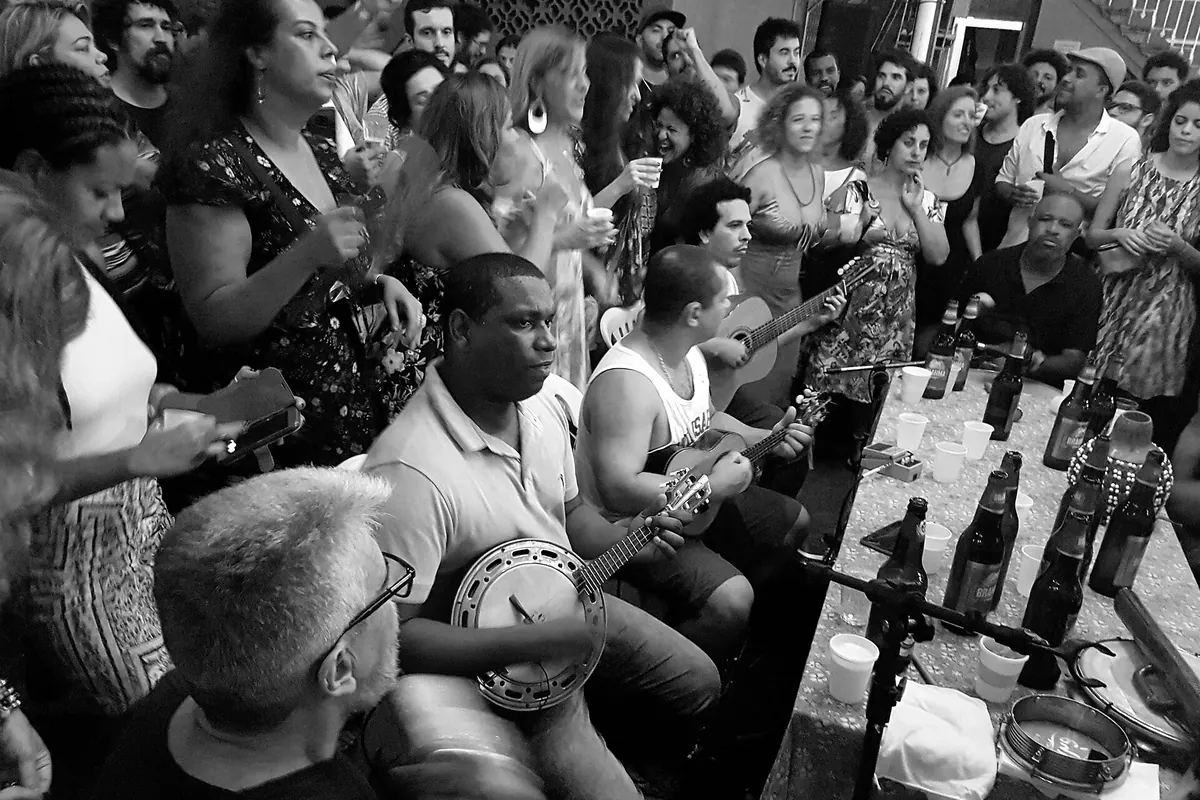
The word roda means circle. IPHAN's description of Rio's samba says the practice involves the roda, the musicians, the voices, the bodies and the interaction between generations. In a roda the players sit together and the audience stands around them, close enough to sing back. There is no front row to book and no curtain, which is why a roda feels closer to a conversation than to a concert.
The pandeiro
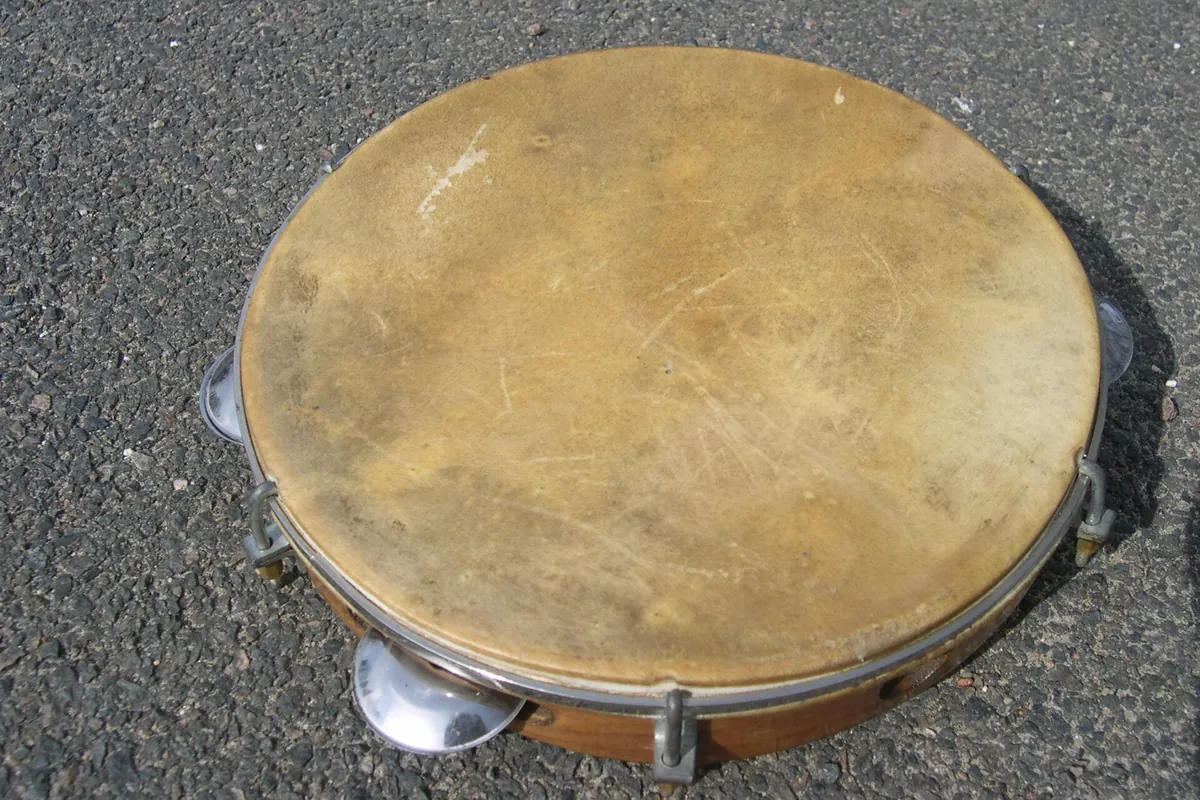
The pandeiro is a hand frame drum with a tunable head and metal jingles in the rim, giving a drier, less sustained sound than a tambourine. Wikipedia says typical patterns are played by alternating the thumb, fingertips, heel and palm of the hand, and the instrument can also be shaken. It is used in several Brazilian music forms, samba among them, alongside choro, coco, capoeira and bossa nova. The player holds it in one hand and strikes the head with the other.
The cavaquinho
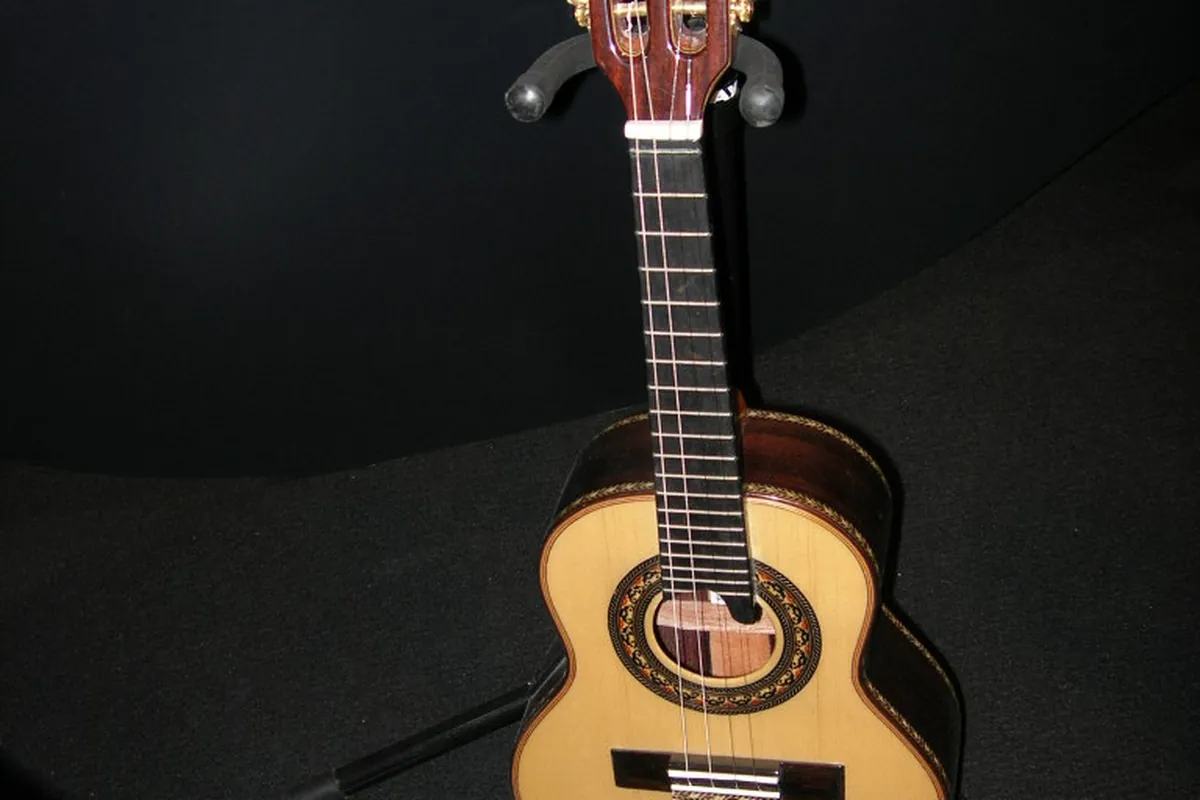
The cavaquinho is a small four-string instrument of the guitar family that came from Portugal. Wikipedia calls it a very important instrument in Brazilian samba and choro, played with a plectrum using percussive strumming that combines rhythm and harmony. In a roda it is often the instrument whose bright strumming you hear on top of the drums.
Tamborim and surdo
The tamborim is a small round Brazilian frame drum most commonly associated with samba, usually played with a small wooden stick. The surdo is a bass drum worn from a strap or belt that carries the low pulse. In a Rio carnival band three surdos with different tunings form the rhythmic foundation, according to Wikipedia. These are the instruments of the carnival bands, and what sits at a small roda varies.
Partido-alto and the refrain
Partido-alto is a style of samba in which one or more singers take turns improvising verses, often competing with each other, while the chorus sings a refrain that usually includes everyone present. IPHAN registered it in 2007, together with samba de terreiro and samba-enredo, as part of Rio's samba matrices. The result is call and answer: if you know the refrain, you are part of the music.
From the Bahian circle
Samba de roda is a Bahian circle dance from the Recôncavo region, played with the same percussion as religious ceremonies and with singing, clapping and dance. UNESCO lists it as intangible cultural heritage, and Wikipedia says it influenced urban samba styles in Rio. The roda you hear in Rio is a descendant of that Bahian circle, adapted to the streets of the port.
Pagode and the backyard party
Pagode is a style that began in Rio as a subgenre of samba. Wikipedia says the word originally meant a celebration with food, music, dance and party, and that the original pagode developed at the start of the 1980s with the band Fundo de Quintal. Wikipedia lists the four-string banjo, the tan-tan, a more dynamic type of surdo, and the hand-repique, a percussive instrument, among the instruments that became part of the pagode sound.
How to be a good listener
A few habits help: stand where you do not block others, sing the refrain if you know it, and let the musicians lead. If someone dances, join in or just watch. Ask before you film close to a player, and buy a drink from a nearby vendor if you like. A guide on the guided ticket can also tell you what is happening in the music.
Frequently asked questions
What instruments are in a roda de samba?
Samba is traditionally played on the pandeiro, tamborim, surdo and cuíca, with guitar and cavaquinho accompanying. The line-up at a given roda varies.
Do I need to know the songs?
No. In partido-alto the refrain is shared by everyone present, and most people learn it as they go.
Is a roda a show?
No. It is a circle of musicians and listeners, without a stage or a seating plan.
Sources